Tech
Blisters, bubbles and bond loss: tracking down moisture problems
The warning signs, the tests that matter and when you need a moisture vapor barrier.
By Tech rep team · Jun 25, 2026 · 9 min read
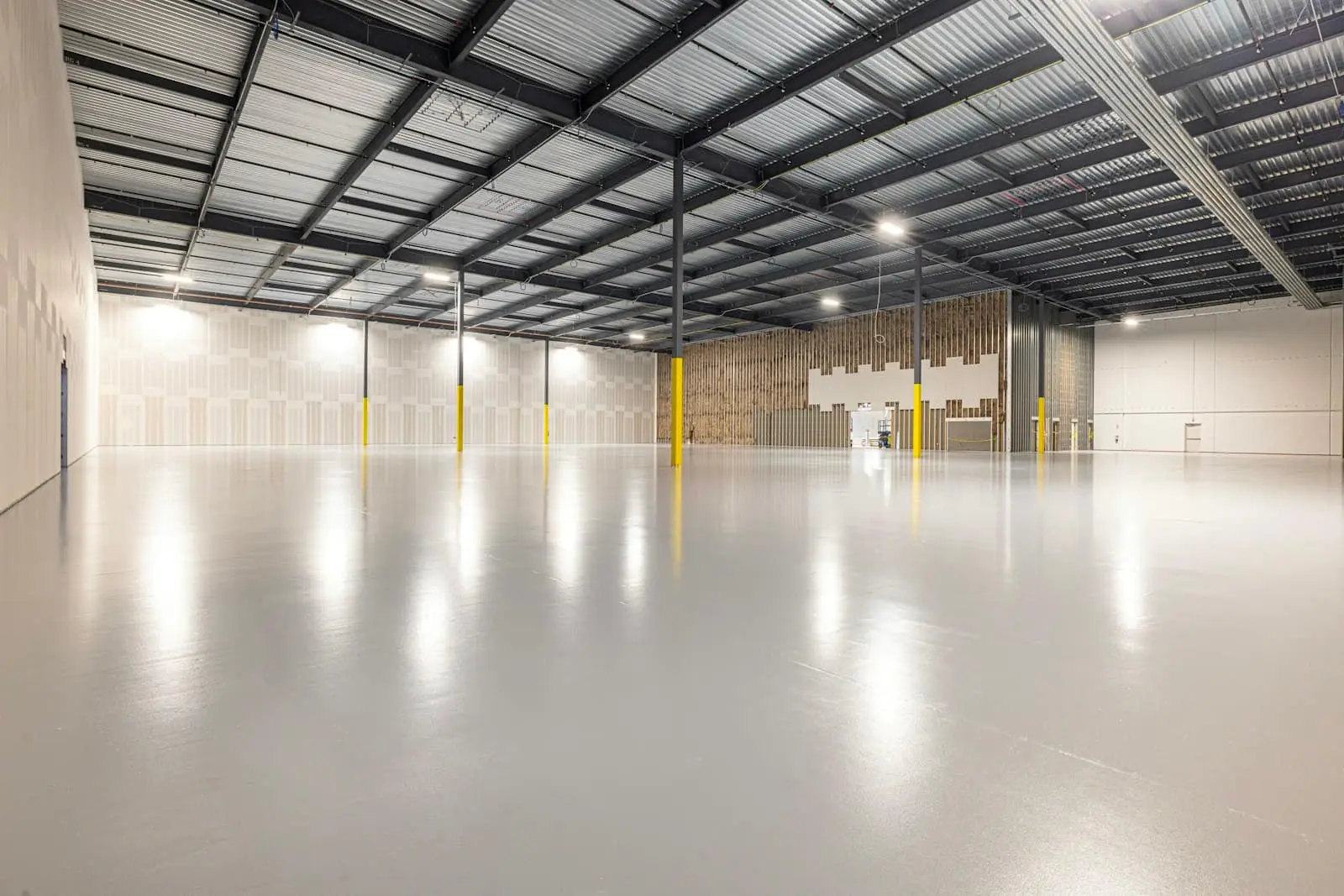
Moisture-related failures usually show up weeks or months after install as blisters, hollow spots or coatings peeling in sheets. Almost all of them are preventable with testing up front.
Test before you coat
Calcium chloride (ASTM F1869) and in-situ RH probes (ASTM F2170) tell you how much vapor the slab is emitting. Slabs on grade without a vapor retarder are the usual suspects.
When to use an MVB
If RH tests above your coating's limit — often 75–85% for standard epoxy — install a moisture vapor barrier epoxy rated for the measured level before your build coat.
Ready to put this into practice?
Shop the systems our crews use, or ask a tech rep to spec your job.
More from the workshop
InstallAug 28, 2026 · 6 min
Full-broadcast flake: keeping a wet edge on big garage pours
How to sequence base coat and broadcast so you never trap yourself or bury a cold joint.
Read articleSystem specAug 14, 2026 · 8 min
Topcoat showdown: polyaspartic or aliphatic urethane for retail?
Cure speed, abrasion, sheen retention and cost — how we choose for storefronts and showrooms.
Read articlePrepJul 30, 2026 · 5 min
CSP 2 vs CSP 3: a field guide to concrete surface profiles
What the ICRI chips actually mean, and why mechanical prep beats acid etching for solids systems.
Read article