System spec
Topcoat showdown: polyaspartic or aliphatic urethane for retail?
Cure speed, abrasion, sheen retention and cost — how we choose for storefronts and showrooms.
By Tech rep team · Aug 14, 2026 · 8 min read
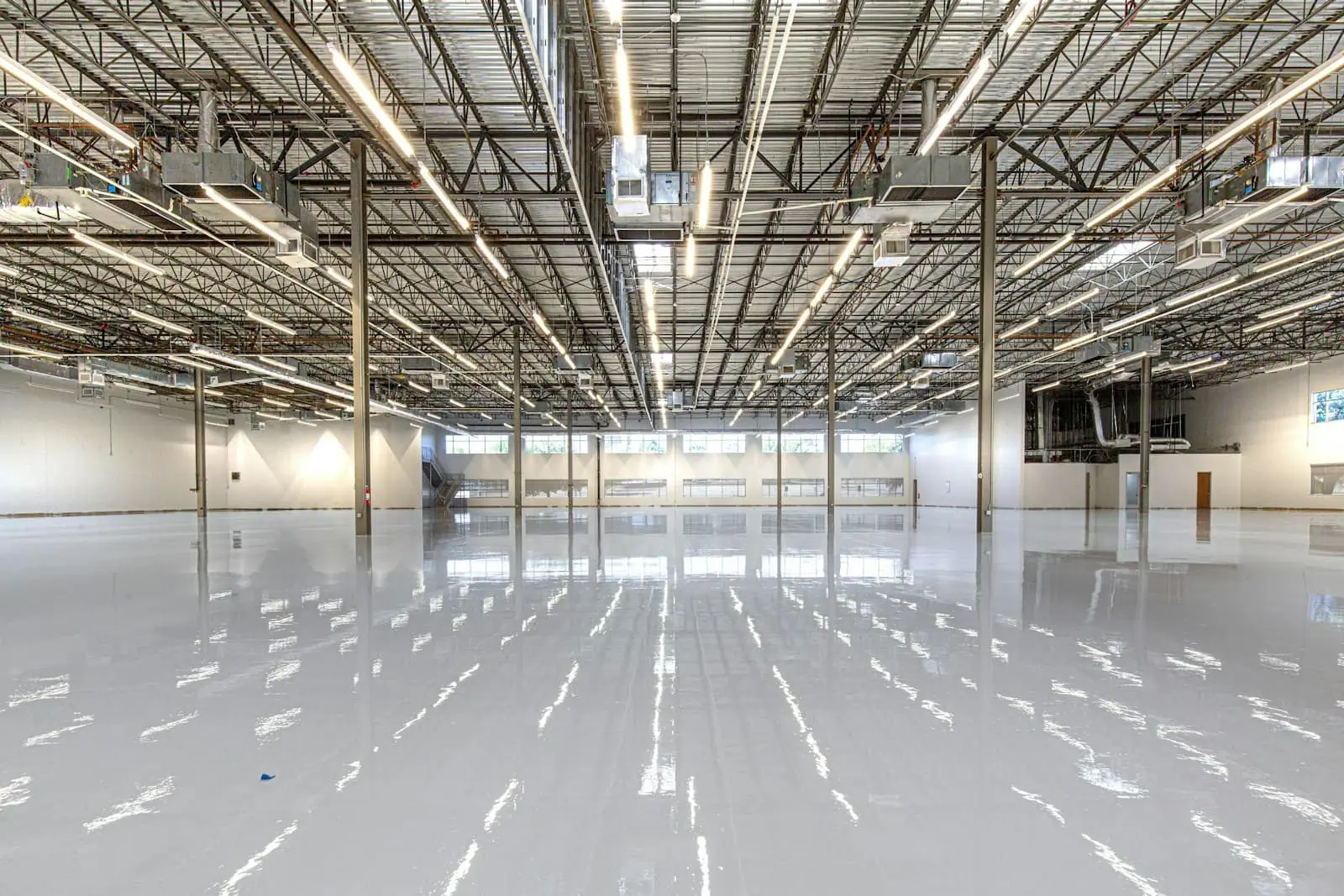
Both chemistries are aliphatic, both are UV stable, and both make a great wear layer. The choice usually comes down to downtime, film build and how hard the floor gets used.
When polyaspartic wins
If the store needs to reopen tomorrow, polyaspartic is the answer. It builds thicker per coat and cures to foot traffic in hours. It's also more forgiving of cooler slab temperatures.
When urethane wins
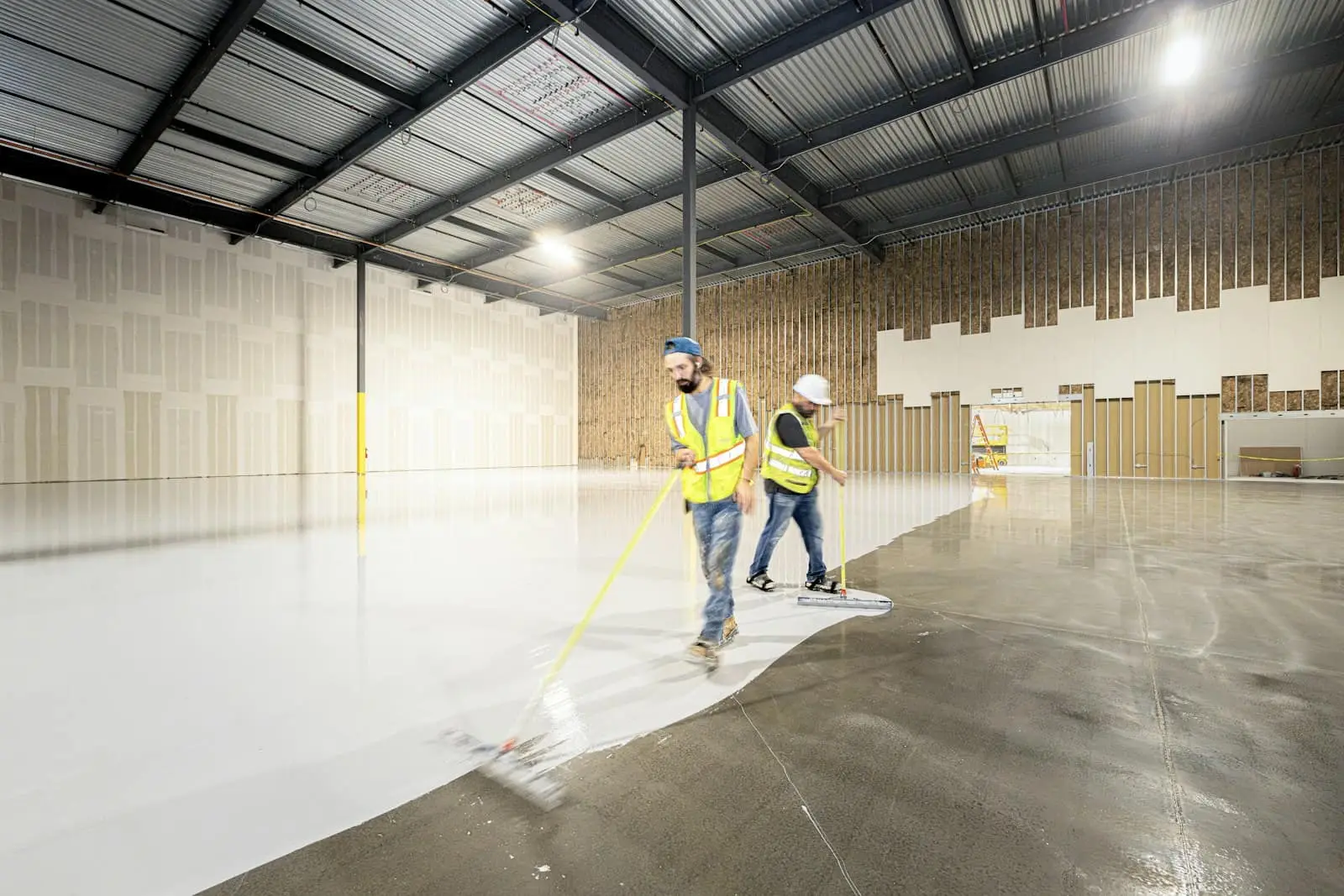
For high-abrasion aisles, pallet jacks and wheeled carts, a high-solids urethane at 2–3 mils is extremely tough per dollar. Its longer pot life also makes large, continuous areas easier for smaller crews.
Our default
For most retail floors we spec a polyaspartic topcoat over an epoxy base, and add a urethane wear coat in the highest-traffic lanes.
Ready to put this into practice?
Shop the systems our crews use, or ask a tech rep to spec your job.
More from the workshop
InstallAug 28, 2026 · 6 min
Full-broadcast flake: keeping a wet edge on big garage pours
How to sequence base coat and broadcast so you never trap yourself or bury a cold joint.
Read articlePrepJul 30, 2026 · 5 min
CSP 2 vs CSP 3: a field guide to concrete surface profiles
What the ICRI chips actually mean, and why mechanical prep beats acid etching for solids systems.
Read articleBusinessJul 16, 2026 · 7 min
How to quote a two-car garage in ten minutes
A simple per-square-foot framework that covers material, labor, prep surprises and margin.
Read article